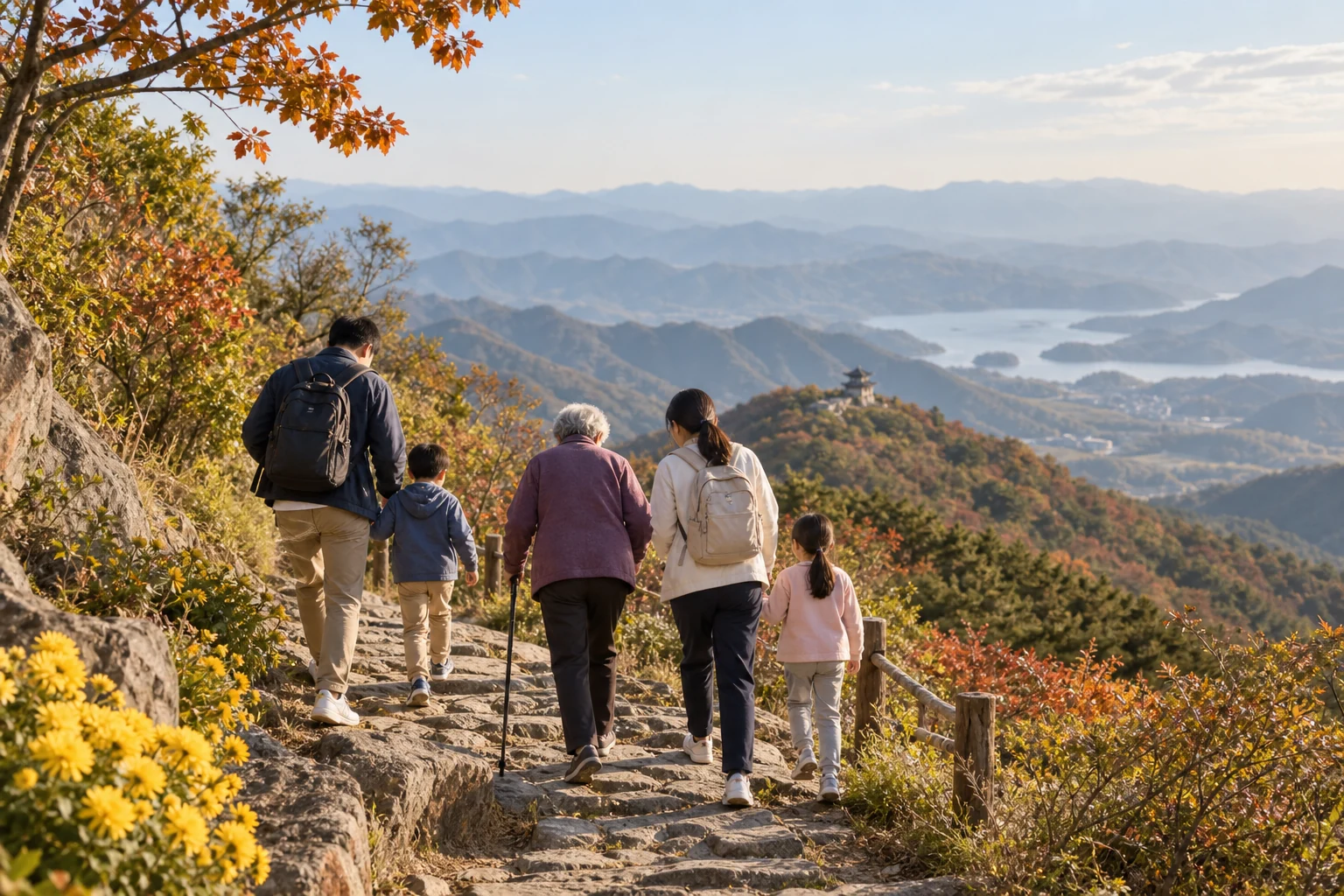
The custom sounds simple: on the ninth day of the ninth lunar month, climb somewhere high.
The date is in the traditional Chinese lunar calendar, not September 9 on the Gregorian calendar. That small distinction matters for an English-language reader planning to notice the festival in real life.
The Double Ninth Festival, or Chongyang, carries several meanings at once. Older traditions connect the day with ascent, autumn excursions, chrysanthemum wine and practices intended to avoid misfortune. In contemporary China, it is also associated with respect and care for older people.
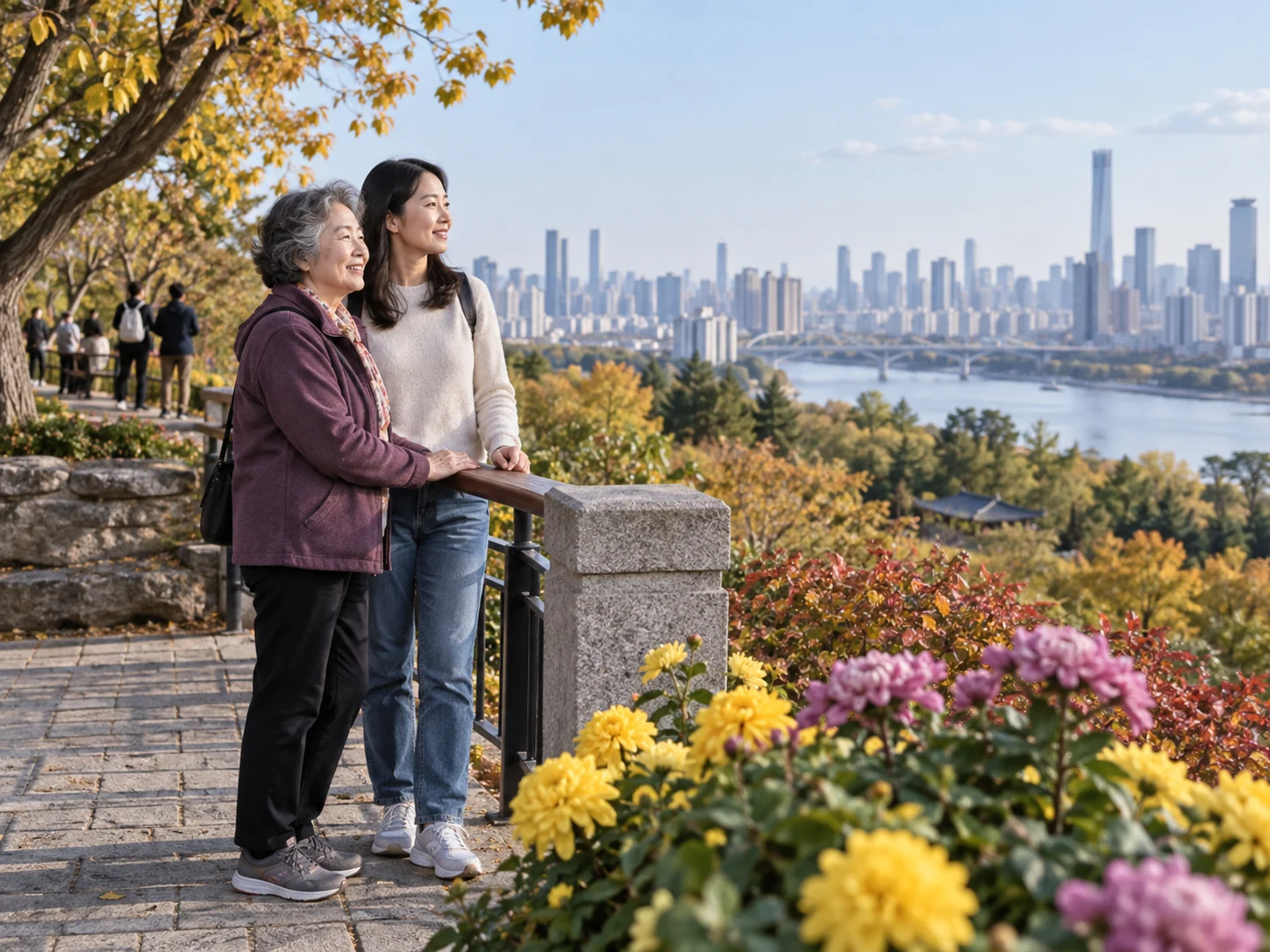
Not every family observes every custom. One person may know the festival through a poem learned at school; another through an organised outing with grandparents; another may barely notice the date. Traditions do not remain alive because everyone performs them in exactly the same way.
Climbing changes the body’s relation to the season. Autumn air, distance and the effort of helping someone up a path make the idea of “respect for age” more concrete than a slogan. At the same time, a festival should not reduce older people to ceremonial recipients of care. Their preferences, mobility and independence matter.
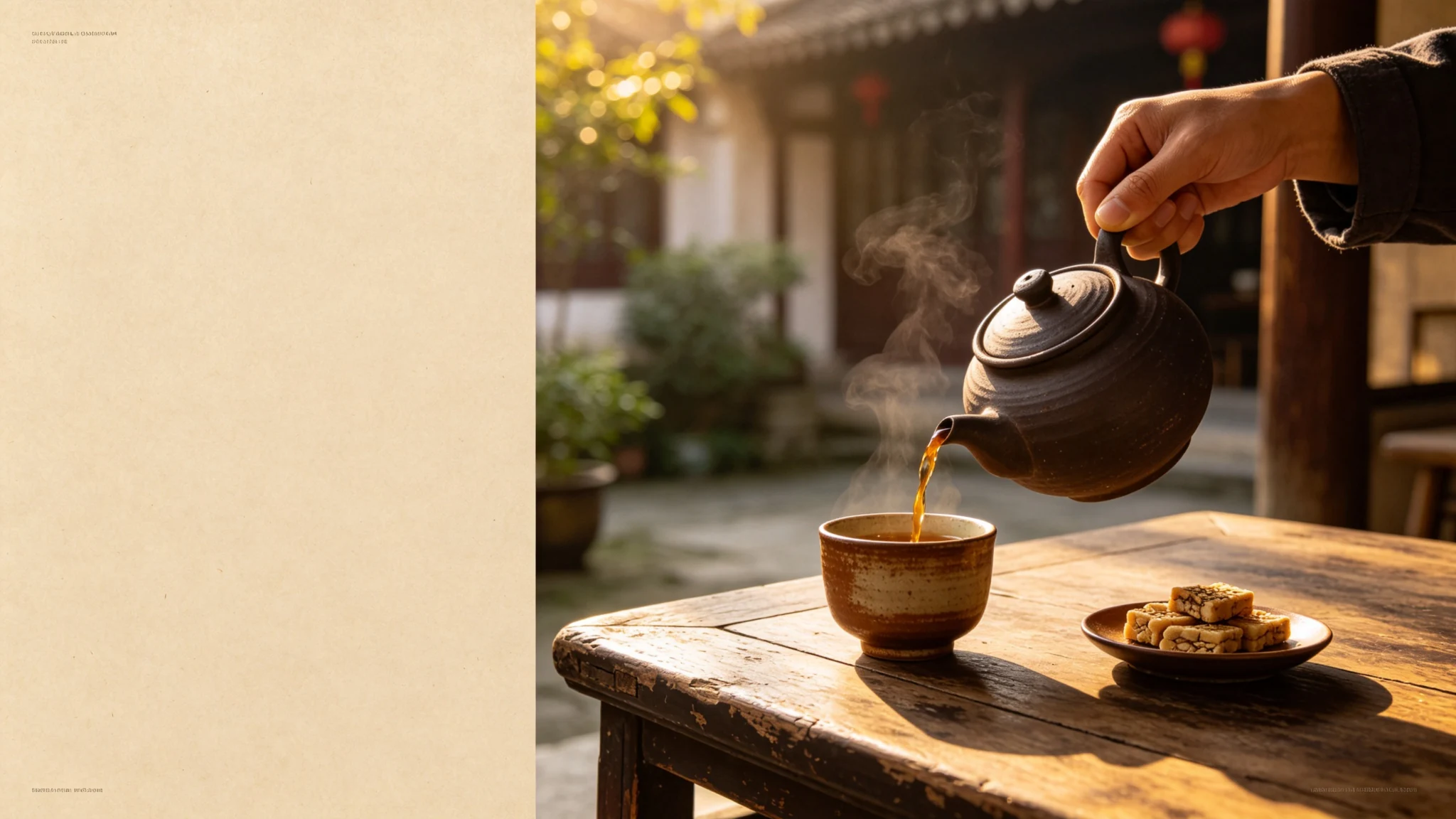
The celebration need not involve a difficult mountain. A park path, a viewpoint reached by a gentle route, or tea shared after a walk can make the day accessible to more people. Chrysanthemums are another thread of the season: they appear in older customs and in contemporary displays, food and tea.
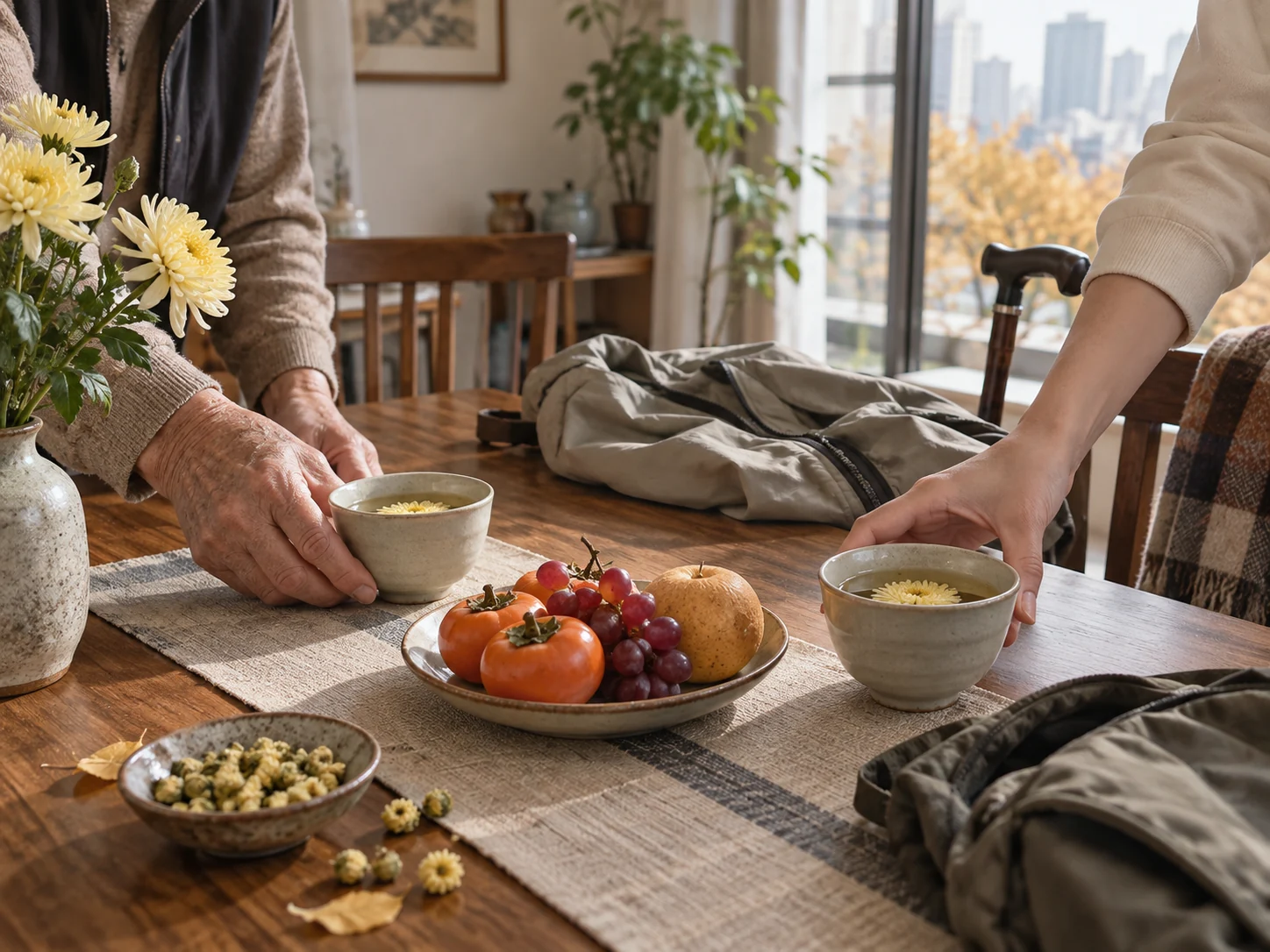
The old custom and the modern public meaning meet in one useful question: who is able to join the climb, and how do we make room for them?
A Clear Answer
People traditionally climb high during the Double Ninth Festival as an autumn practice associated with wellbeing and avoiding misfortune. Today the festival also provides an occasion to spend time with and show care for older family and community members.
Sources and further reading
- China Culture, Double Ninth Festival customs and climbing traditions: https://en.chinaculture.org/library/2008-01/08/content_29459.htm
- China Culture, contemporary chrysanthemum and family practices: https://en.chinaculture.org/a/202510/29/WS69016a72a310f735438b77b4.html