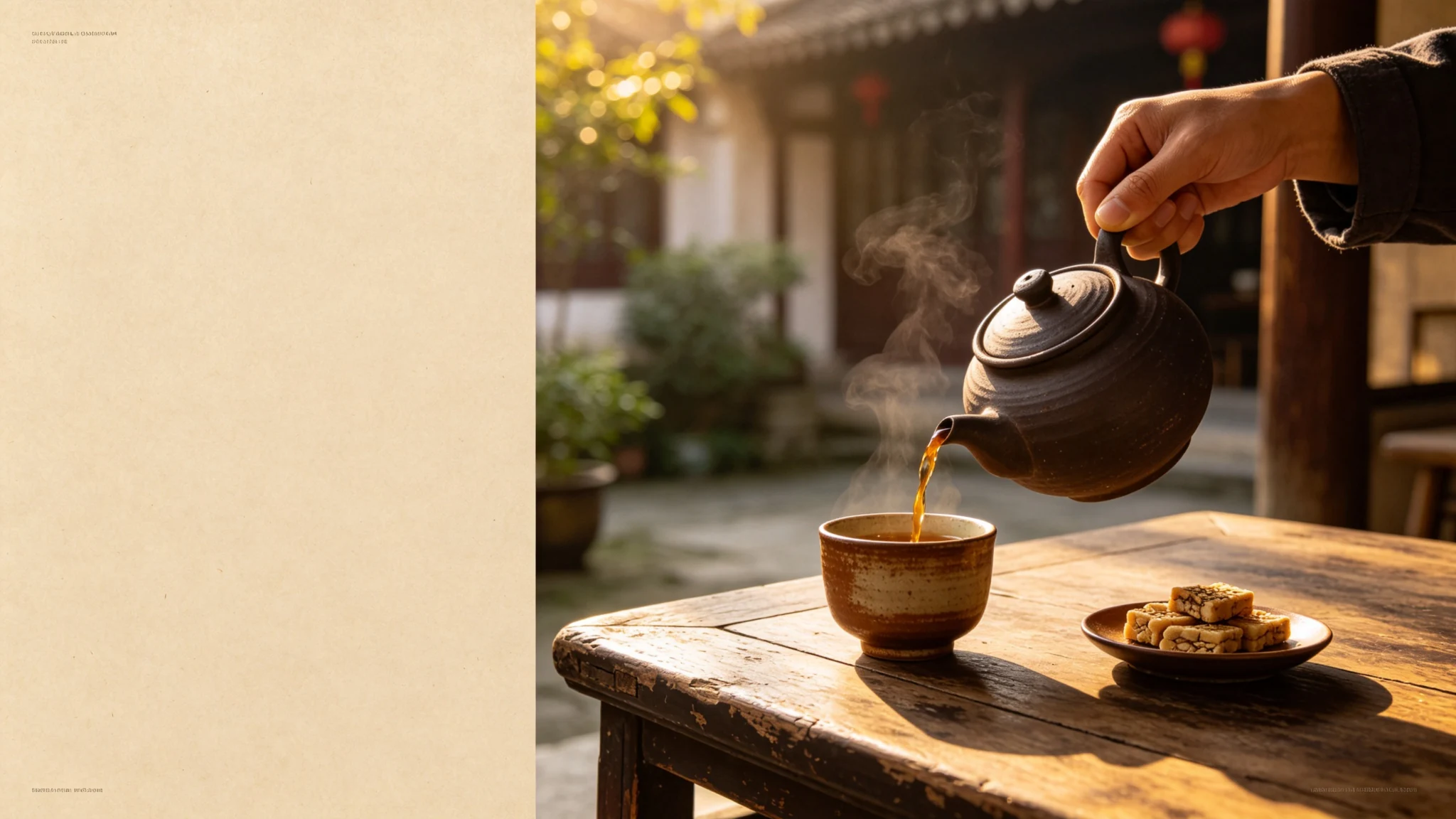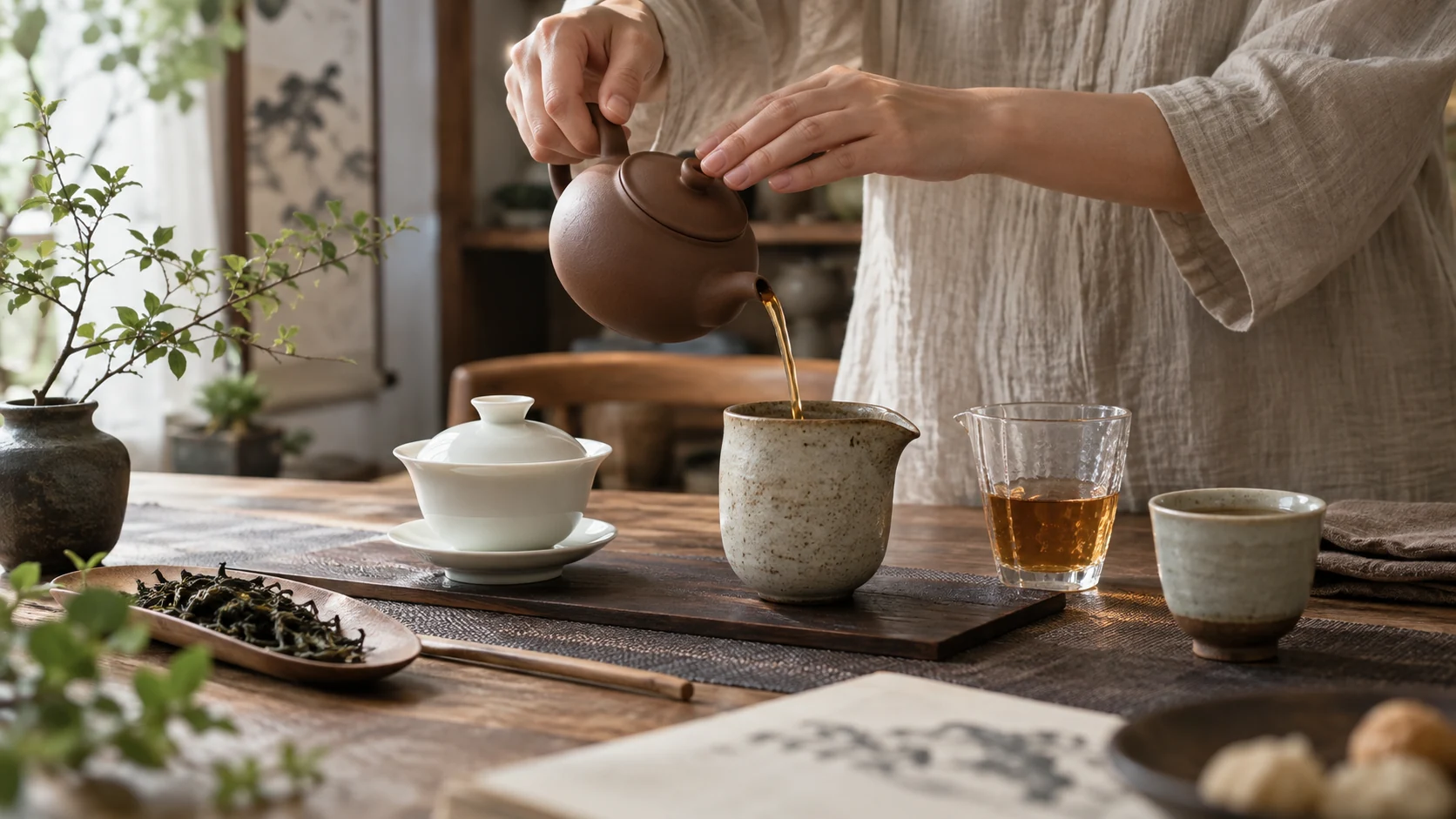
A Chinese tea set is not one fixed collection of objects. The vessels on a table change with the tea, the place and the people drinking it. What they share is a practical purpose: they shape how tea is made, passed around and enjoyed together.
Start with the cup. A small one invites another pour; a larger everyday mug lets someone keep working while the tea cools. Neither is a less “authentic” way to drink. A home may have a carefully chosen pot for guests and an ordinary glass on the desk for Tuesday afternoon.
What does each vessel actually do?
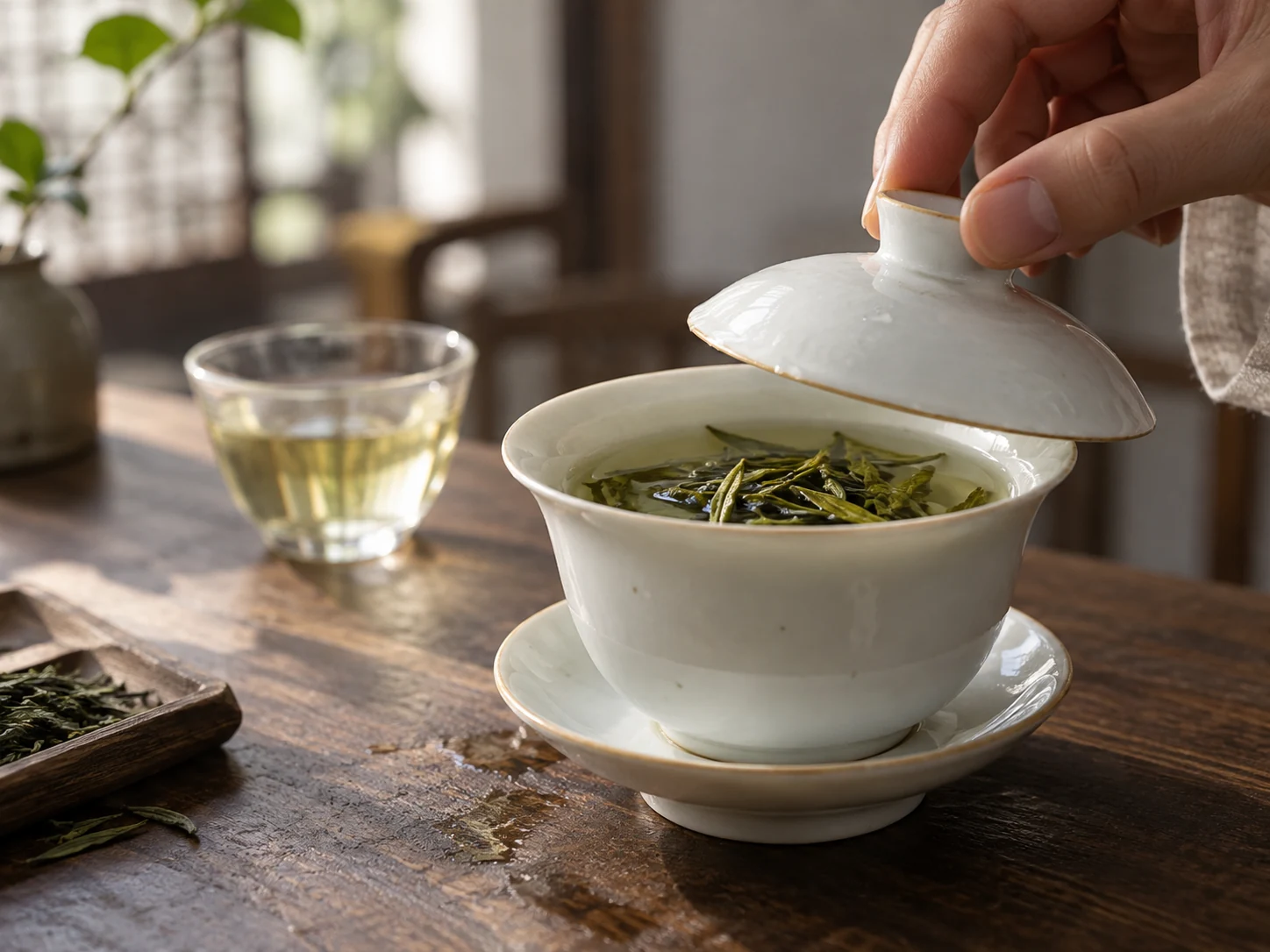
A gaiwan (盖碗, gàiwǎn) is a lidded bowl, usually with a saucer. The lid can hold back leaves while tea is poured, and the open bowl lets a drinker see and smell what is brewing. Museums preserve historical examples, but the form is still used at present-day tables.
A small teapot keeps the leaves together over successive infusions. A fairness pitcher, often called gōngdàobēi (公道杯), receives the brewed tea before it is shared among cups, helping each person receive a similar-strength pour. A tray catches water and gives all those small actions a place to happen. None of these pieces is compulsory for every tea or every household.
Why do ordinary objects matter too?
Look beyond the most photogenic arrangement. Tea in a clear glass lets green leaves open visibly. A thermos keeps tea warm through a journey or working day. A plain cup can be the one someone reaches for whenever a friend arrives. These objects are part of tea culture too, even if they rarely appear in a museum display.
The relationship between an object and a person is more interesting than an inventory of equipment. Who pours first? Is the guest offered the first cup? Does anyone stop to watch the leaves, or does the conversation carry on while the tea sits? A vessel helps answer those questions, but no vessel can answer them alone.
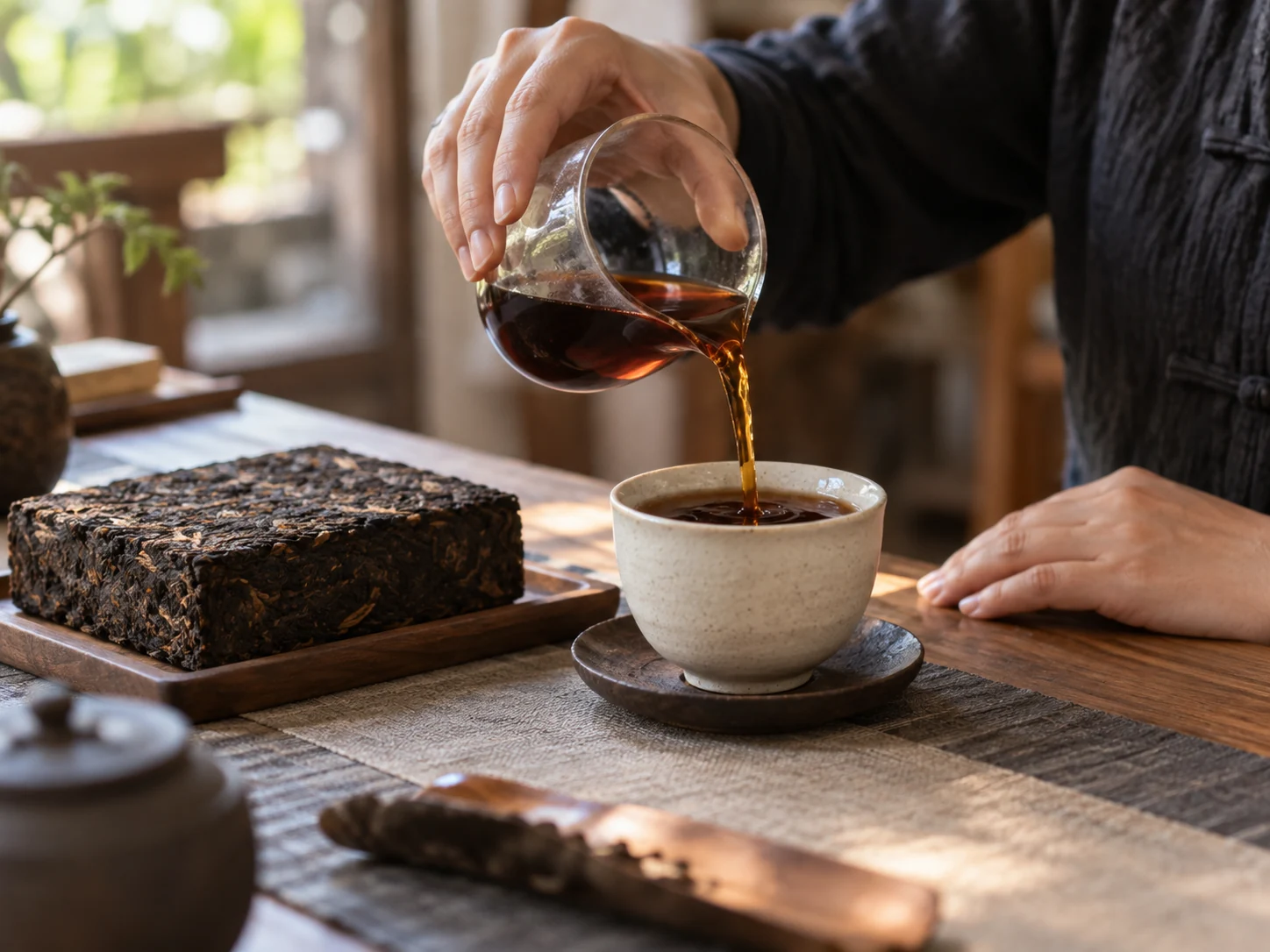
The beauty of Chinese tea ware is real: the weight of a lid, the lip of a cup and the texture of fired clay deserve close attention. Its everyday meaning is just as real. A cup becomes an invitation when someone places it in front of another person.
A Clear Answer
Chinese tea vessels are varied tools rather than one mandatory ceremonial kit. A gaiwan, pot, pitcher, glass or ordinary cup can each suit a different tea and social moment; the point is how the object helps people prepare, share and pay attention.
Sources and further reading
- British Museum, covered bowls and saucers known as gaiwan: https://www.britishmuseum.org/collection/object/A_1985-1024-39-1-9
- The Metropolitan Museum of Art, Chinese tea caddy collection record: https://www.metmuseum.org/art/collection/search/8265