Step into almost any bookshop in China and you will find 孙子兵法, The Art of War, shelved in three places at once: with the classics, with the business books, and with the volumes that promise to make you wiser about people. It is a military manual — thirteen short chapters, roughly six thousand characters, shorter than this article — yet it has been translated into dozens of languages and quoted by generals, chief executives, football managers and teenagers grinding out ranked matches in video games. And its most famous line is not about winning. It is about never having to fight.
孙子兵法, The Art of War, is the oldest surviving book of military strategy in the world, written in China about 2,500 years ago and attributed to 孙武, Sun Wu, a general of the state of Wu. Its argument is easy to state and hard to carry out: the highest skill in war is not to win battles. It is to win without one. That single idea, more than any tactic, is why a commander said to have lived in the fifth century BC is still read from military academies to the boardroom.
What does a war book tell you not to do?
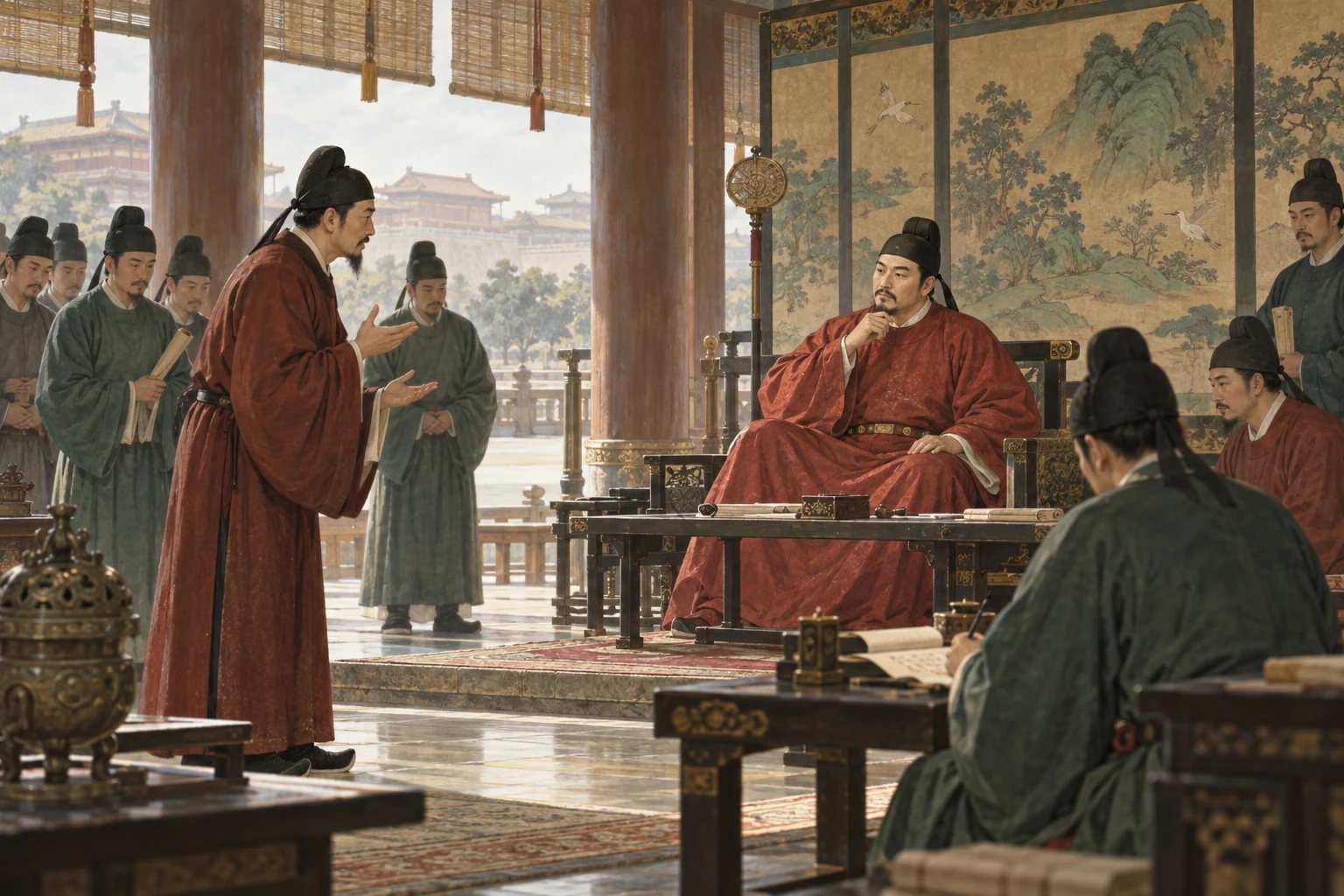
Almost the first thing Sun Wu does is warn you against war. A battle, he writes, is the most expensive and least reliable way to get what you want; a long campaign exhausts the state that fights it. 兵贵胜,不贵久 — in war, seek a quick result, not a long one. The best general, in his famous formula, is not the one who wins a hundred fights. It is the one who breaks the will of the enemy before the fighting starts: 不战而屈人之兵,善之善者也 — to subdue the enemy without fighting is the acme of skill. War, in this view, is the last resort. The real contest happens earlier, in the planning: 上兵伐谋, the best move is to break the enemy plan before it becomes a battle.
Then why is it called a book of war?
Because it is ruthlessly practical about the war you cannot avoid. Its most cunning famous line is 兵者,诡道也 — war is the way of deception: feint, misdirect, look weak where you are strong. It tells you to 知己知彼, know yourself and know your enemy, so that you never have to gamble. And it prefers to take a country whole rather than in ruins: 全国为上,破国次之。 Four of its images were later carved onto a battle banner by a sixteenth-century Japanese warlord, Takeda Shingen, and are still known in Japan as Fū-Rin-Ka-Zan: 其疾如风,其徐如林,侵掠如火,不动如山 — fast as the wind, quiet as the forest, fierce as fire, immovable as a mountain.
Why does the whole world read it?
Because its subject is not really weapons. Strip away the drums and the spears and The Art of War is a book about conflict itself: how to win a contest while spending as little as possible, and how to stay out of one you would lose. That is a lesson that travels. Business schools teach it, and so do sports coaches and negotiators. It reached Europe in 1772, when a French Jesuit published the first translation, and it has been re-translated ever since. Readers keep finding the same promise inside it: the cheapest victory is the one you never have to fight for.
The cheapest victory is the one you never have to fight for.
How does it live in China today?
Most vividly as an idiom. 知己知彼 — know yourself, know your enemy — is ordinary Chinese for doing your homework: on a rival firm, an exam, a negotiation. Businesspeople talk about 商战, commercial war, and quote Sun Wu in meetings; classes for children recite him; his name sits on management bestsellers and on the loading screens of video games. He is, quietly, the self-help shelf of China: a two-and-a-half-thousand-year-old reminder that the calmest player usually wins.
Wait — is this the same as the Thirty-Six Stratagems?
No, and the confusion is everywhere. The 三十六计, the Thirty-Six Stratagems — 走为上计, running away is the best plan, and all the rest — is a separate and much later folk collection, a cheat-sheet for the philosophy of the classic. The book attributed to Sun Wu is the philosophy itself: thirteen chapters on why the fight you avoid is worth more than the one you win.
Where can you meet it?
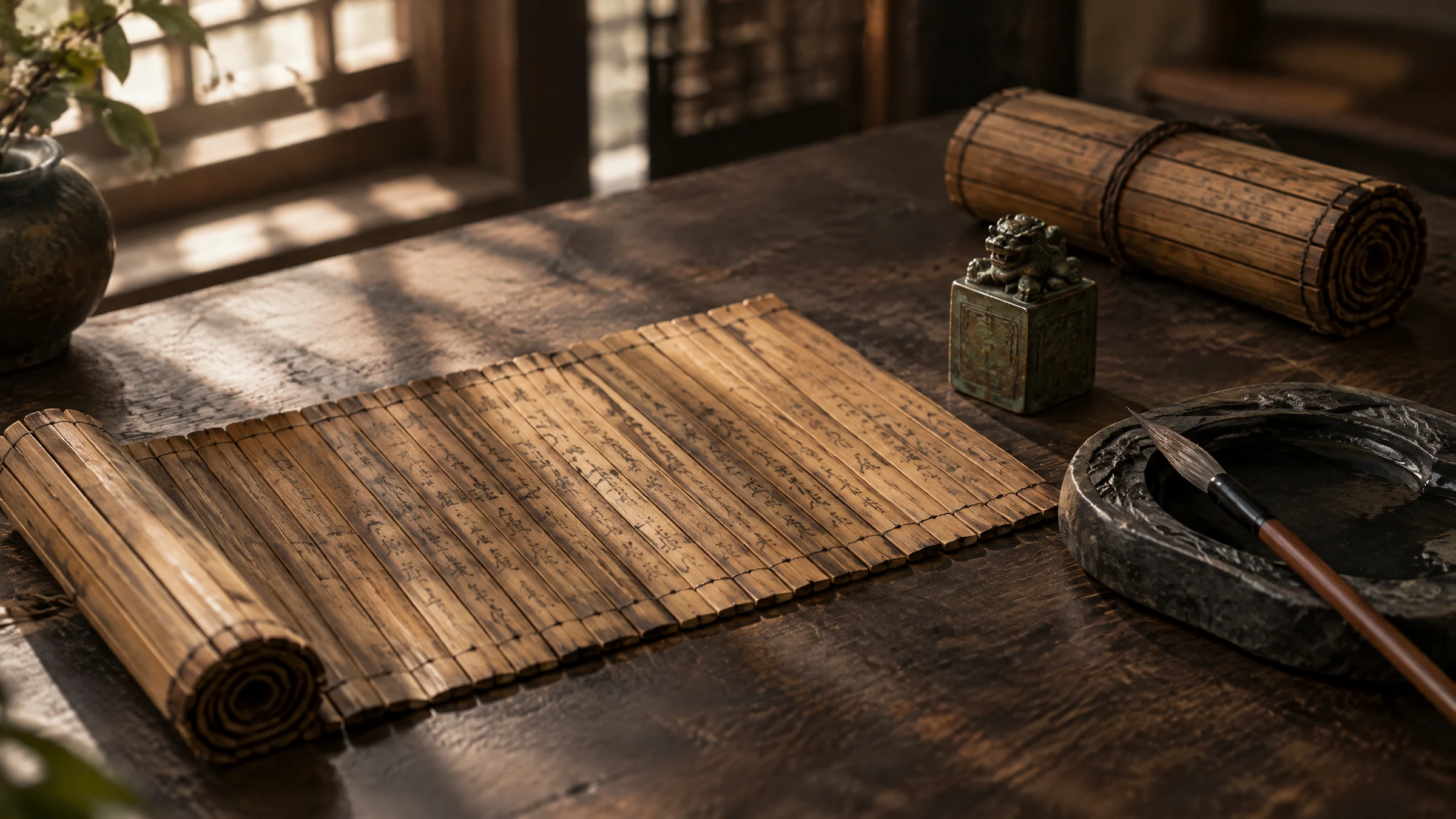
The oldest surviving copy was found in a tomb at Yinqueshan, in Shandong, and is kept today in the Shandong Museum; it is more than two thousand years old. In Suzhou, a hillside called Qionglong marks the place where Sun Wu is said to have lived. Or simply open the first page, where he begins not with a battle cry but with a warning: 兵者,国之大事,死生之地,存亡之道 — war is a matter of life and death, and should never be entered lightly. Two and a half thousand years on, that is still the most surprising thing about the most famous book on war ever written: how hard it tries to keep you out of one.
Key facts
- What it is: 孙子兵法, The Art of War — the oldest surviving book of military strategy in the world, written in China about 2,500 years ago and attributed to the general 孙武, Sun Wu, of the state of Wu.
- How big it is: thirteen short chapters, roughly 6,000 Chinese characters — shorter than many magazine features.
- Its central idea: the highest skill in war is to win without fighting — 不战而屈人之兵。 The book is less about battle than about avoiding it.
- Its place in China: the first of the 武经七书, the Seven Military Classics; Chinese generals and leaders have studied it for two thousand years.
- Its reach: translated into dozens of languages and read today by soldiers, executives, negotiators, coaches and gamers. Four of its lines became a Japanese warlord battle banner.
- What it is not: the 三十六计, the Thirty-Six Stratagems, is a separate, later and simpler folk list, often mistaken for it.
FAQ
Is The Art of War really about not fighting?
Yes. Its most quoted lines say that the highest victory is to subdue the enemy without a battle, and that the best move is to break the enemy plan before it becomes one. Fighting is the last and worst option.
Who wrote it?
It is attributed to 孙武, Sun Wu, a general of the state of Wu in the fifth century BC, and that is how it is credited in China today: one author, thirteen chapters.
Why is it so popular outside China?
Because its subject is not guns but conflict itself — competition, negotiation, management. Readers apply it to business, sport and daily life. It reached Europe in 1772, in a French translation, and has been translated ever since.
Is it the same as the Thirty-Six Stratagems?
No. The 三十六计 is a separate and much later folk collection. The two are constantly confused, but the classic is the philosophy and the stratagems are the cheat-sheet.
Words to know
- 孙子兵法 Sūnzǐ Bīngfǎ — The Art of War
- 孙子 Sūnzǐ — “Master Sun,” the honorific for 孙武 Sun Wu
- 兵圣 bīng shèng — “Sage of War,” Sun Wu as he is honoured in China
- 不战而屈人之兵 bù zhàn ér qū rén zhī bīng — to subdue the enemy without fighting
- 知己知彼 zhī jǐ zhī bǐ — know yourself and know your enemy
- 兵者,诡道也 — war is the way of deception
- 上兵伐谋 — the best move is to break the enemy plan
- 武经七书 — the Seven Military Classics
- 三十六计 — the Thirty-Six Stratagems, a different book
Sources and further reading
- Wikipedia, "The Art of War": [https://en.wikipedia.org/wiki/The_Art_of_War](https://en.wikipedia.org/wiki/The_Art_of_War)
- Wikipedia, "Sun Tzu": [https://en.wikipedia.org/wiki/Sun_Tzu](https://en.wikipedia.org/wiki/Sun_Tzu)
- Wikipedia, "Thirty-Six Stratagems": [https://en.wikipedia.org/wiki/Thirty-Six_Stratagems](https://en.wikipedia.org/wiki/Thirty-Six_Stratagems)